Low confidence — this score is based on limited public data (mostly aggregate ratings, with little independent discussion or review detail), so it may not reflect real-world quality.
What it is
Overview
An open-source framework for building AI agents with graph-based workflow orchestration. Google ADK is not itself an AI model — it's infrastructure code that lets backend developers wire together LLM calls, tool invocations, and state management into multi-step agent systems. The framework ships with SDKs in Python, TypeScript, Go, Java, and Kotlin. Adoption skews toward enterprise teams already running on Google Cloud and developers building multi-agent architectures where one agent hands off to another mid-task.
At a glance
Usability & Quality overview
Best for
- developers building production AI agents with graph workflows
- teams that want code-first agent orchestration
- users who prefer open-source frameworks with deployment flexibility
Watch out for
- Google-centric defaults in some memory/workflow paths
- evidence is concentrated in ADK-specific community spaces
Real product, not a wrapperIndependent product
Google ADK is a full agent orchestration framework, not a ChatGPT wrapper. It provides graph-based workflow automation, multi-language SDKs (Python/TypeScript/Go/Java/Kotlin), and native integration with Google Cloud's Vertex AI. The architecture enables complex multi-agent systems with deterministic control flows — a meaningful step beyond simple prompt-chaining tools.
Strong evidenceQuality score
Google ADK Open-source agent framework for production graph workflows, with some Google-default ecosystem friction.
This score is our editorial judgment, computed automatically from the sources, weights, and dates shown above. It reflects the data we could verify as of November 16, 2026, not a guarantee or statement of fact about Google ADK. Third-party ratings and quotes belong to their original platforms and authors. Thin data lowers our confidence label, and we say so instead of guessing. Work on Google ADK? Dispute any datapoint and we will review it, publish your response, and correct verified errors.
Plans
Pricing
How free is free?
Genuinely free
Open-source MIT License; no usage limits or paid tiers
What you get for free
- Full Agent Development Kit under MIT License
- Graph-based workflow builder with deterministic logic
- Deploy anywhere with no vendor lock-in
- Advanced context management and multi-language support
- No rate limits or feature restrictions
Community feedback
Aggregated reviews
Ratings and quoted comments below are aggregated from third-party sources and reflect those users' views, not SearchTools.ai's.
What reviewers talk about
themes inside the Sentiment pillar — not score ingredients
56Output Qualitythin data · 5 mentions
“You can't run it on your own LLM but "run it where ever you want, and you're responsible": one month later, it deletes production data after gaining non-authorized access while "panicking".”
“Yes, I have used this in production. Had a requirement from a client for an "ai agent cum chatbot" that can automate the manual stuff old people do on their website (healthcare retail - think medicare customers + benefits cards). They had a partnership with Google Cloud and we had full access to Vertex AI + they wanted a bidirectional voice AI support for their older customers. Gemini + ADK ticked all the boxes. Went ahead with it and had a great development experience. If you are using Gemi”
“Yay, content on ADK. Love building with it. We are building a "Driver" Agent that acts as the master Planner agent with a series of domain specific Gems as tools to this agent. Each Gem is built for role specific actions and have Google Flows as tools for deterministic behaviors. When they all work together we get enterprise level insight that is extremely valuable to our clients' business. Thank you Google!”
“Adk web is a great feature.”
58Ease of Usethin data · 8 mentions
“Yes, I have used this in production. Had a requirement from a client for an "ai agent cum chatbot" that can automate the manual stuff old people do on their website (healthcare retail - think medicare customers + benefits cards). They had a partnership with Google Cloud and we had full access to Vertex AI + they wanted a bidirectional voice AI support for their older customers. Gemini + ADK ticked all the boxes. Went ahead with it and had a great development experience. If you are using Gemi”
“deployment is easy but then properly consuming it in a simple web UI is hard as hell”
“great video! would love to see more videos about google-adk! I've been struggling myself to pass the context and correct session variables across multiple agents.”
“Yay, content on ADK. Love building with it. We are building a "Driver" Agent that acts as the master Planner agent with a series of domain specific Gems as tools to this agent. Each Gem is built for role specific actions and have Google Flows as tools for deterministic behaviors. When they all work together we get enterprise level insight that is extremely valuable to our clients' business. Thank you Google!”
Watch & learn
Video content
YouTube YOUTUBE354 views
111 | Google ADK Agent Evaluation | Test AI Agents with Google Cloud
implovate19 days ago
 YOUTUBE186 views
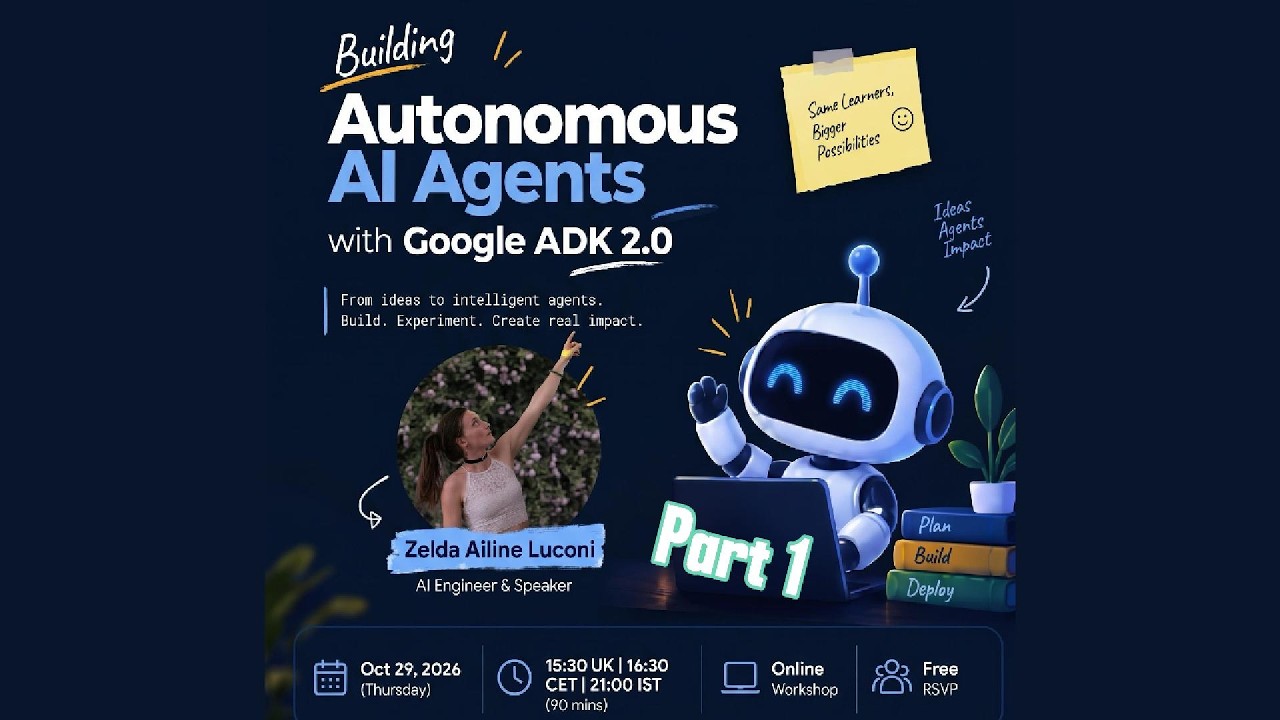
Google ADK 2.0 Tutorial [Part 1]: Multi-Agent Architecture & Local Setup (Branch 02b)
EilinLux20 days ago
 YOUTUBE219 views
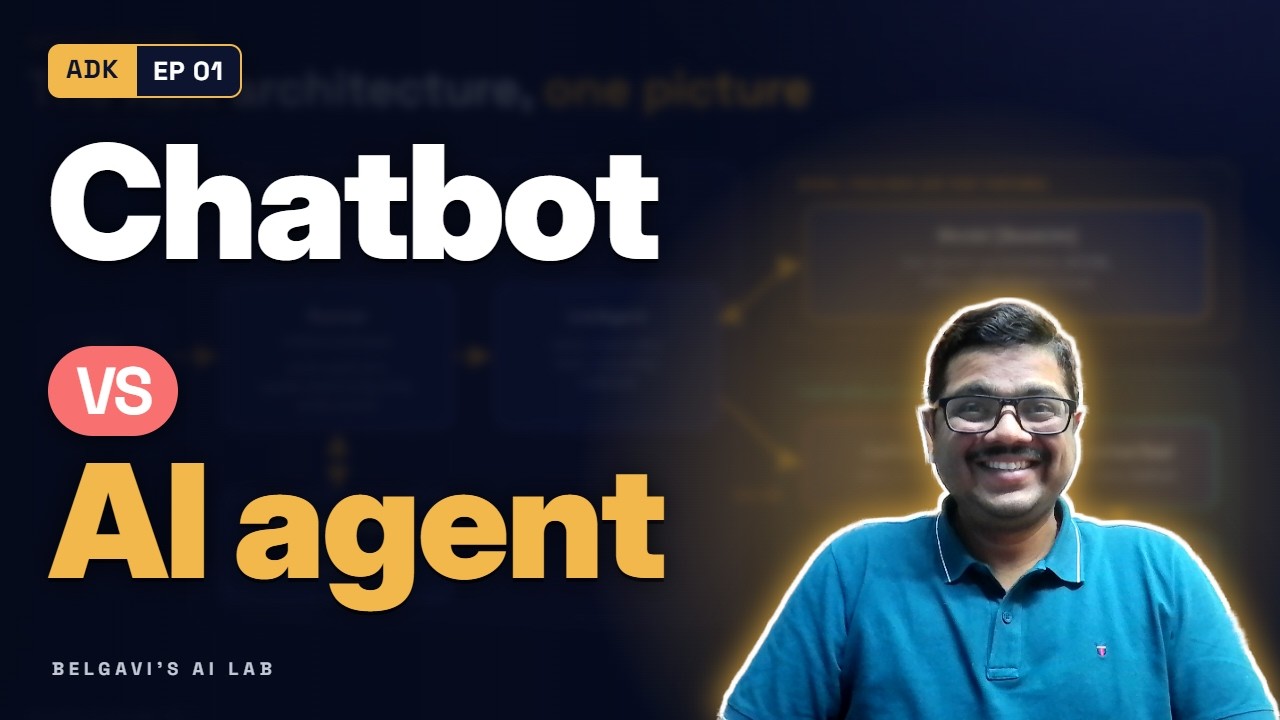
Google ADK Java Tutorial: Build Your First AI Agent (Ep 1)
belgaviai27 days ago
 YOUTUBE115 views
ADK vs LangGraph vs OpenAI vs Claude SDKs: Same Features, Different Failures
adityaunpacks20 days ago
 YOUTUBE88 views
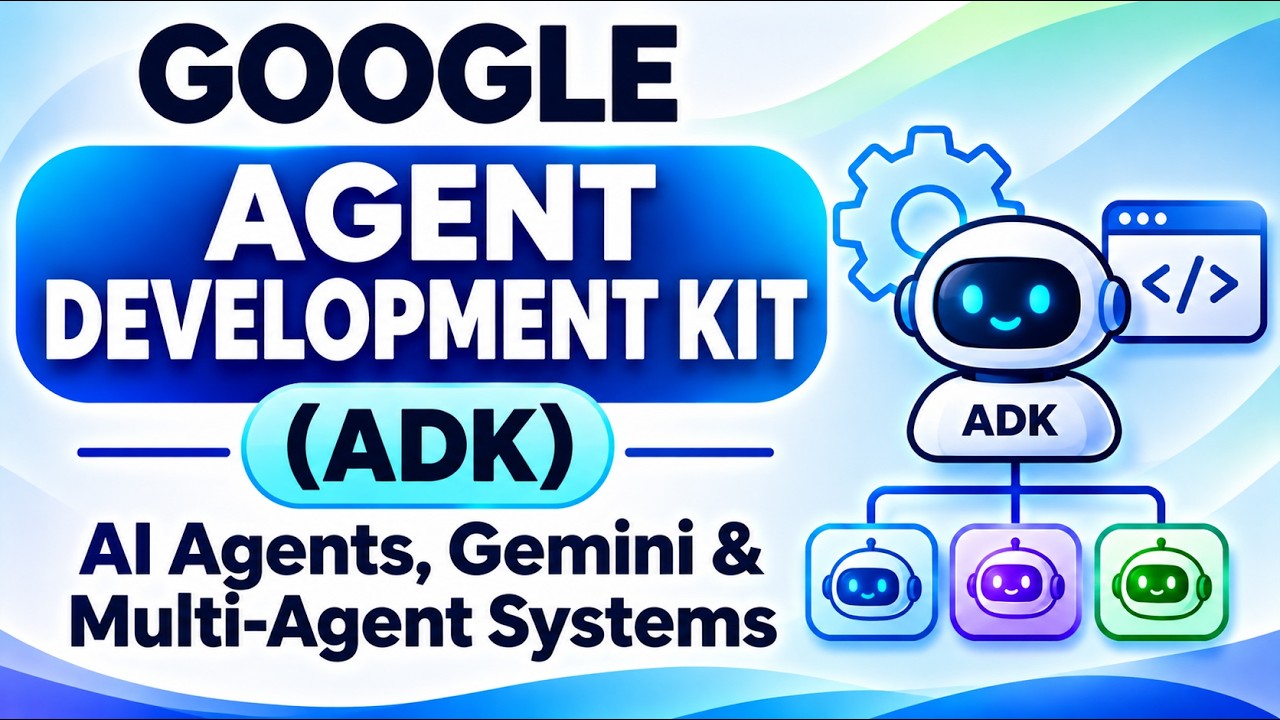
Google Agent Development Kit (ADK) | AI Agents, Gemini & Multi-Agent Systems | Uplatz
Uplatz17 days ago
 YOUTUBE23 views
Google ADK Tutorial: Two AI Agents on a Free Laptop
TrickyWorld_IN9 days ago
Capabilities
Key features
Agent Builder
Builds autonomous AI agents that plan and execute multi-step tasks for you
Workflow Management
Automates multi-step processes and routes tasks across your tools and team
Developer Tools
Provides utilities that help programmers build, test, and ship software faster
The honest take
What users love & flag
Distinct themes surfaced across user reviews — each grounded in real review text, ranked by how often it comes up.
Questions
Frequently asked
What is Agent Development Kit (ADK)?
Agent Development Kit (ADK) is an open-source framework for building production-ready AI agents with graph-based workflows that combine deterministic logic and adaptive reasoning. It helps developers move from AI prototypes to enterprise-scale agents that can handle complex, multi-step processes with advanced context management and multi-language support.
Is Agent Development Kit (ADK) free?
Yes, ADK is completely free and open-source, released under the MIT License. There are no costs associated with using the framework for any purpose.
What programming languages does ADK support?
ADK is available in five programming languages: Python, TypeScript, Go, Java, and Kotlin. This allows developers to build AI agents in their preferred programming environment without learning a new language.
What are graph workflows in ADK and why would I use them?
Graph workflows in ADK 2.0 allow you to orchestrate complex tasks through structured, graph-based architectures with explicit execution paths and predictable outcomes. They weave deterministic code with adaptive AI reasoning, providing both the reliability of traditional programming and the intelligence of AI for sophisticated multi-step processes.
How does ADK handle context management differently from other frameworks?
ADK treats agent context like source code rather than simply concatenating strings until the context window overflows. It automatically filters irrelevant events, summarizes older conversational turns, lazy-loads artifacts, and tracks token usage to keep agents fast and efficient, giving every token a purpose.
Which AI models can I use with ADK?
ADK provides easy access to Gemini models and includes adapters for connecting to other leading models and model providers, including locally running models. For enterprise deployments, you can connect to models on hosted services like Google Cloud.
Where can I deploy agents built with ADK?
ADK offers deploy-anywhere flexibility—you can containerize and run agents on your own infrastructure or use one-command deployment to Google Cloud via Agent Runtime, Cloud Run, or GKE. When deploying to Google Cloud, agents automatically inherit managed infrastructure, built-in authentication, Cloud Trace observability, and enterprise-grade security.
What makes ADK suitable for enterprise-scale AI agents?
ADK is designed specifically for production-grade agents rather than prototypes, with features like automatic context management, failure recovery, multi-agent orchestration, and graph-based workflows for complex processes. It provides structure, reliability, and scalability without requiring extensive boilerplate code, and integrates with enterprise infrastructure when deployed to Google Cloud.
Does ADK work with AI coding assistants?
Yes, ADK is designed to be written by both humans and AI, with AI-aware developer resources that enable coding assistants to generate agents in seconds. The framework includes an Agents CLI that works with AI-enabled developer environments to scaffold, build, test, evaluate, and deploy agents.
Can I build multi-agent systems with ADK?
Yes, ADK allows you to scale from simple agents built from prompts and tool calls to multi-agent orchestration and graph-based workflows. The framework provides the flexibility to extend and build complex agentic systems where multiple agents can work together.
Compare Google ADK
Compare with another toolMore Like This
